Best Positions to Relieve Sciatic Pain: Sitting and Sleeping Tips That Help

Sciatica is a common health problem that affects up to 40% of Americans. Now, you might think that rest is the best medicine, but it’s possible your sitting and sleeping positions are making your sciatica worse.

Find out more about sciatic pain and what changes you can make in your sitting and sleeping habits to help you recover.

Understanding Sciatic Pain And How Posture Affects It

Sciatica occurs when there is a pinching or irritation of the sciatic nerve that runs from your lower back through your buttocks and down the back of each leg.

Typical symptoms are pain on one side of the lower back that shoots down your leg. Numbness and tingling are also common symptoms.

Poor posture such as slouching, hunching your shoulders, or rounding your back can make sciatic pain worse by putting pressure on the joints and nerves in your lower back.

Does Sitting Make Sciatica Worse?

Sitting for long periods in any position tightens the tendons, ligaments, and muscles in your calves, hamstrings, and buttocks. If you have sciatica, this tightness also makes your pain worse.

How Should You Sit To Relieve Sciatica Pain?

Many of us spend long periods sitting while we work. Oftentimes, there is not much we can do about this. But if you’re in this situation, make sure you adopt the best sciatica sitting position to lessen your symptoms.

The Best Sciatica Sitting Position To Relieve Sciatic Pain

Keep your feet flat on the floor, push your but into the backrest so that your lumbar spine is supported, and keep your head aligned with your spine so your spine can comfortably hold up the weight of all those brains in your cranium.

Also make sure to stand up and move around regularly during your working day. Walk, take the stairs, go for a wander outside, or even do some light stretching. Any movement is better for your sciatica than sitting in a chair all day long, no matter how good your posture!

The Best Sleeping Positions To Relieve Sciatic Pain

Unfortunately, sitting isn’t your only enemy. How you sleep can also worsen your sciatica symptoms at night. It is important to find a sciatica sleeping position that helps you alleviate your symptoms and get the rest you need to recover.

How Proper Alignment Supports Overnight Recovery

A good sciatica sleeping position keeps your spine aligned. If your spine twists and bends during the night, you pinch the nerve and get that shooting pain down your back and leg.

With that in mind, here are 2 sciatica sleeping positions you can try to alleviate your symptoms.

  • Sleep on your back with a pillow under your head and another pillow under your knees. This keeps your spine aligned and takes pressure off your discs and vertebrae.
  • Sleep on your side with a pillow under your head and another pillow between your knees.

Sciatica can also occur during pregnancy. If this happens to you, try a body pillow to keep your spine aligned and take the weight off your back.

Positions To Avoid If You Have Sciatica

Now that you know how to sit and sleep properly to reduce your sciatica, let’s look at some poor sitting and sleeping positions that can actually make your symptoms much worse.

Common Sitting Mistakes That Increase Discomfort

Slouching puts pressure on your lower back because it pushes your head out of alignment with your spine. Sitting at the edge of your chair or on a chair that has no support for your lower back strains your lumbar spine. Sitting with a wallet or telephone in your back pocket pinches the side of the spine. And as we’ve already said, sitting for too long in any position is just bad for sciatica.

Sleeping Positions That Can Aggravate Sciatic Nerve Pain

We know some of you love to do it, but sleeping on your stomach puts pressure on your neck and lower back is just the thing you want to avoid when you have sciatica. If you absolutely have to sleep on your stomach, try sleeping with no pillow under your head and a small pillow under your tummy to keep your spine aligned.

How The Right Chair Can Help Relieve Sciatic Pain

The right chair can help you decompress your spine and alleviate your sciatica symptoms.

Why Ergonomic Chairs And Zero-Gravity Positions Reduce Pressure

Ergonomic chairs are designed to help you maintain good posture, making them especially useful at work.

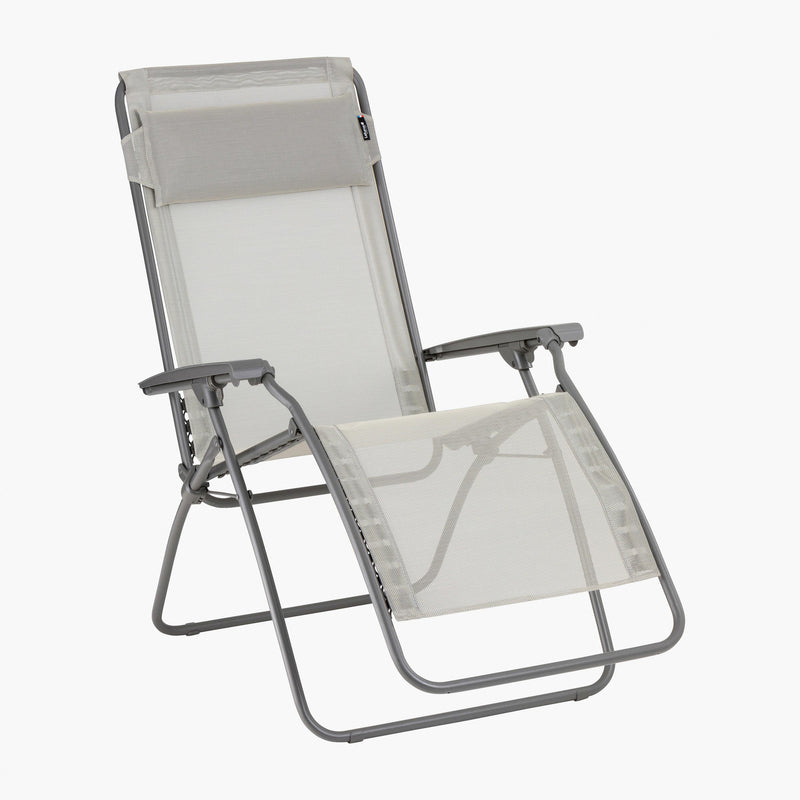
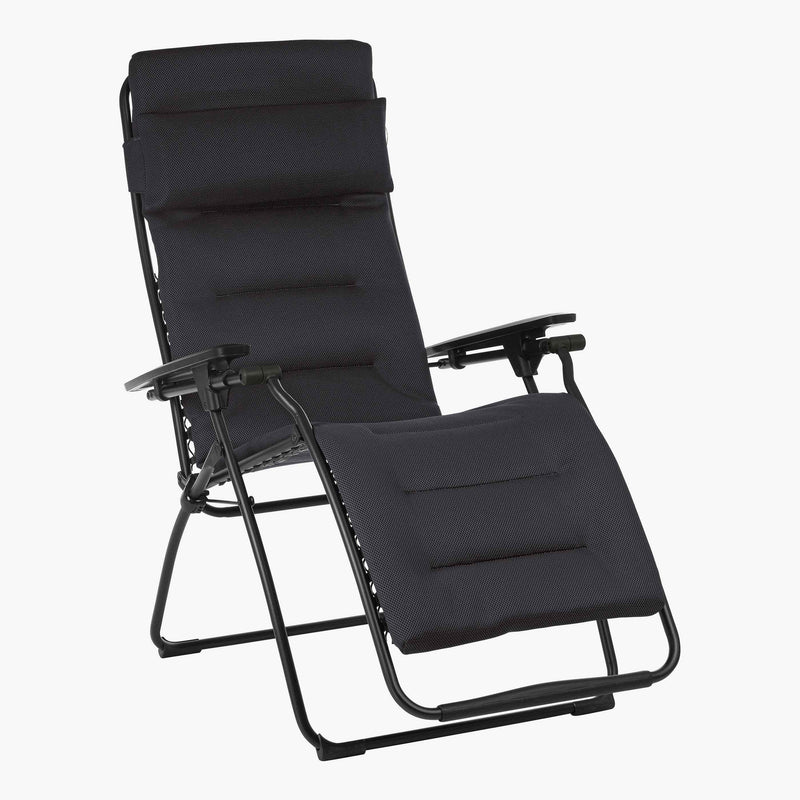
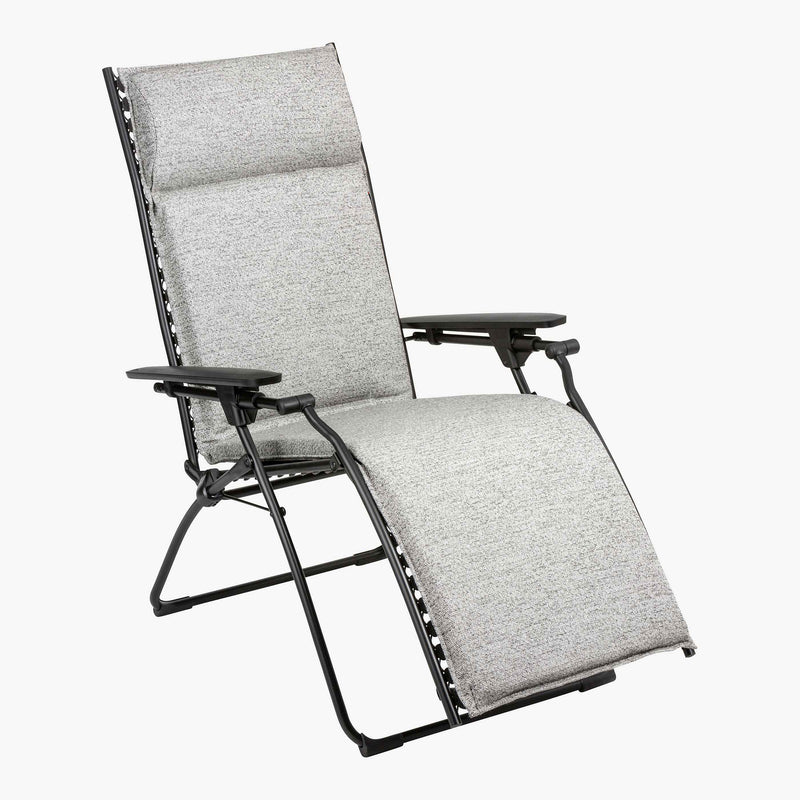
Zero-gravity chairs are perfect for decompressing when you get home from the office. They give you a sense of weightlessness that allows your discs and vertebrae to expand, freeing up the nerve and soothing pain.

Choosing A Chair That Supports Your Back And Legs

Our Reclining Chair with the Be Comfort® fabric is the ultimate in comfort. It tilts back into the zero-gravity position that is so beneficial for relieving sciatic nerve pain. It’s also comes in a stylish finish that blends in perfectly with any indoor or outdoor decor.

There is also our Air Comfort® reclining chair with its extra breathable padding and quick-dry outer finish, so you always come home to a chair you can sink straight into.

To discover more about alleviating your sciatic pain, explore our full range of zero-gravity chairs.

See our Zero Gravity Chairs